Material
Understanding VCP Pipe: Advantages in Sewerage and Drainage Works
May 14 2026
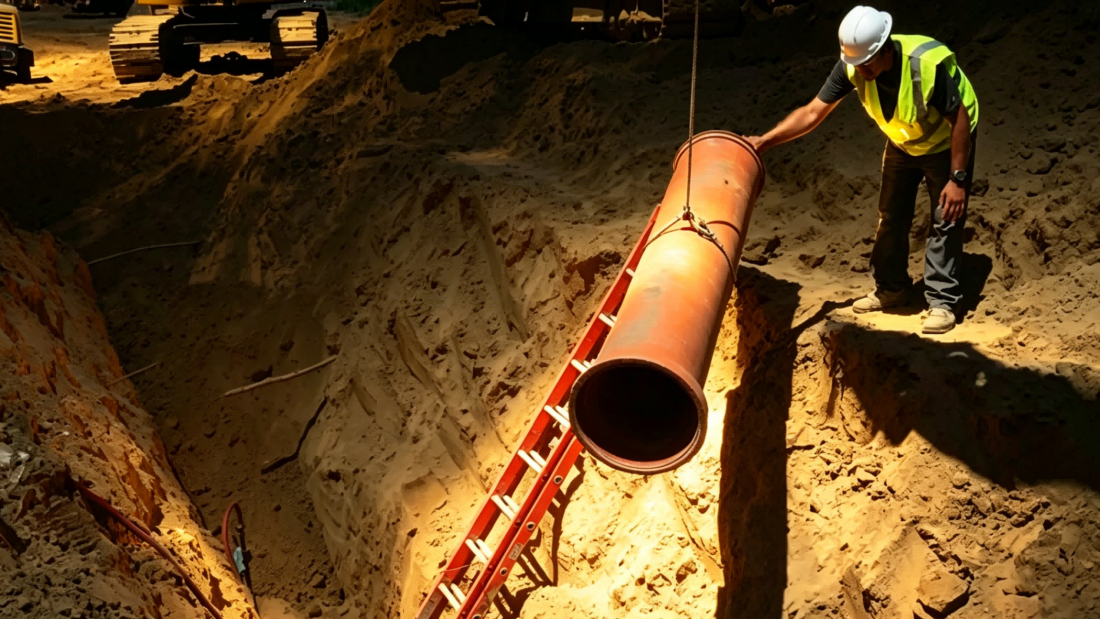
Discover why VCP pipe remains a trusted choice for sewerage and drainage works across Malaysia and beyond.
When it comes to underground infrastructure, the choice of pipe material is far more consequential than most people realise. In Malaysia, where rapid urbanisation has placed enormous pressure on municipal drainage and sewerage networks, making the right material choice at the outset can mean the difference between a system that lasts generations and one that demands constant maintenance and costly repairs. Vitrified Clay Pipe, commonly known as VCP pipe, has been part of the conversation in civil and sanitary engineering for well over a century. Yet its relevance has not faded; if anything, the material's inherent properties align well with the demands of modern infrastructure development.
From housing estates in Selangor to commercial developments in Johor Bahru, contractors and engineers regularly weigh the merits of VCP pipe against alternatives such as uPVC, HDPE, and concrete. This article takes a comprehensive look at what VCP pipe is, how it is manufactured, and why its advantages in sewerage and drainage works continue to make it a compelling option for Malaysian projects of all scales.
When it comes to underground infrastructure, the choice of pipe material is far more consequential than most people realise. In Malaysia, where rapid urbanisation has placed enormous pressure on municipal drainage and sewerage networks, making the right material choice at the outset can mean the difference between a system that lasts generations and one that demands constant maintenance and costly repairs. Vitrified Clay Pipe, commonly known as VCP pipe, has been part of the conversation in civil and sanitary engineering for well over a century. Yet its relevance has not faded; if anything, the material's inherent properties align well with the demands of modern infrastructure development.
From housing estates in Selangor to commercial developments in Johor Bahru, contractors and engineers regularly weigh the merits of VCP pipe against alternatives such as uPVC, HDPE, and concrete. This article takes a comprehensive look at what VCP pipe is, how it is manufactured, and why its advantages in sewerage and drainage works continue to make it a compelling option for Malaysian projects of all scales.
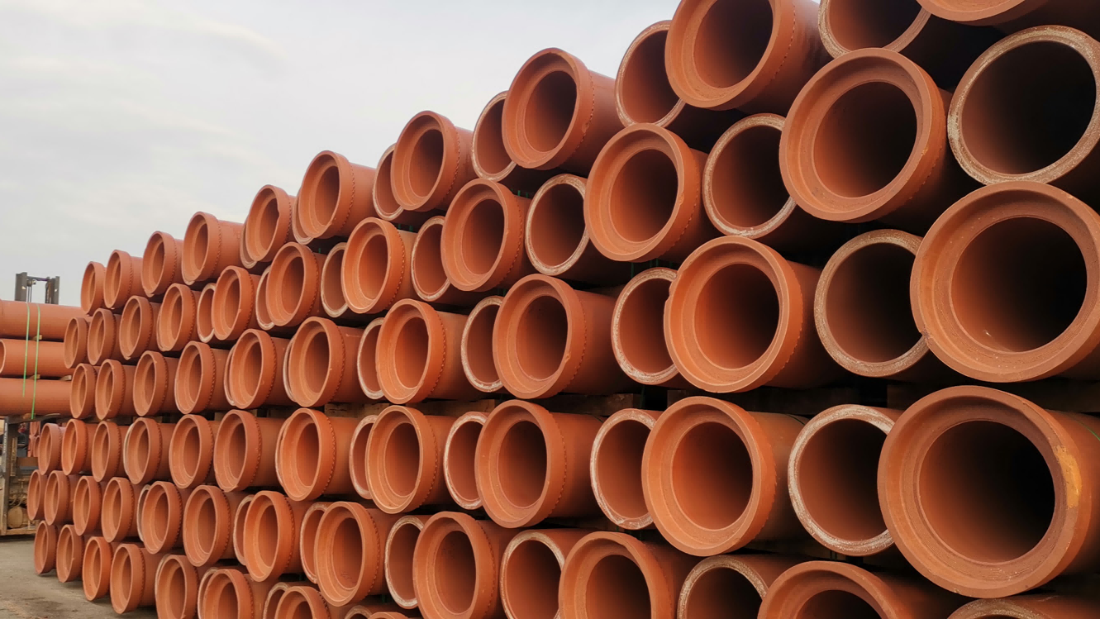
What Is VCP Pipe and How Is It Made?
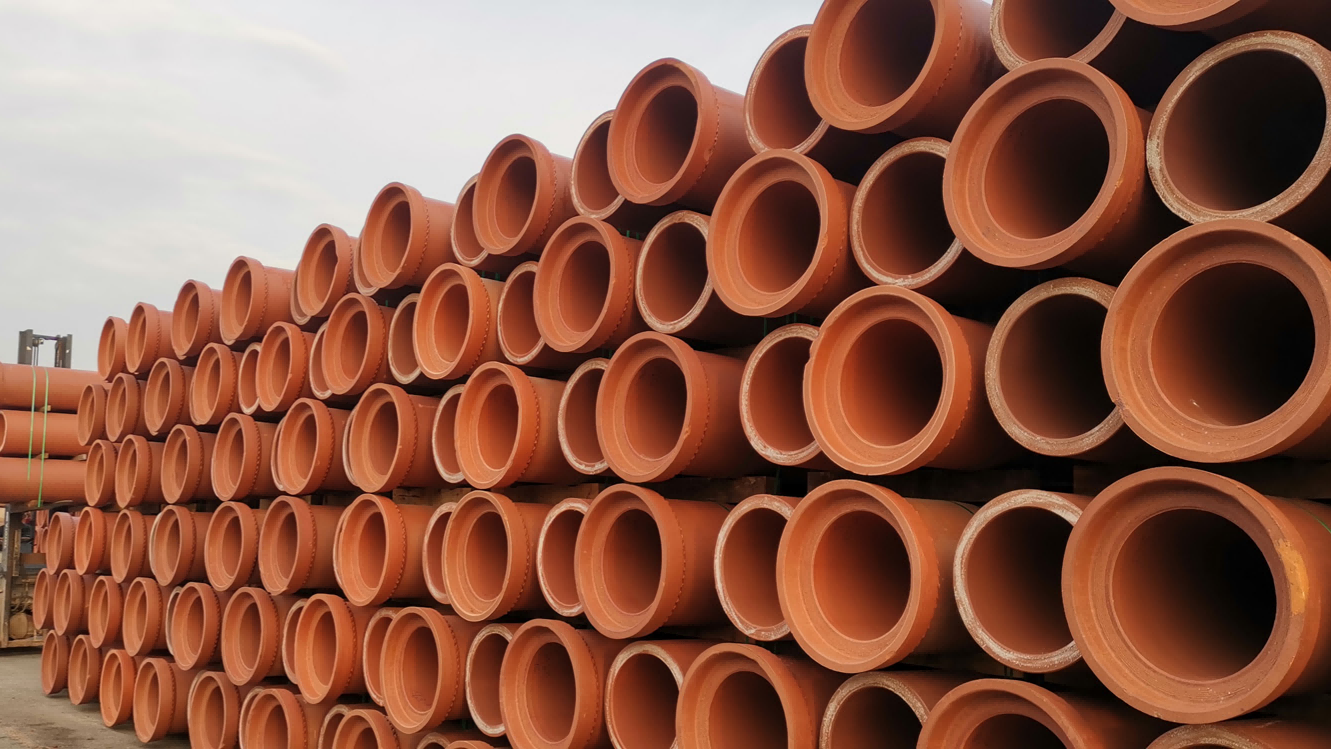
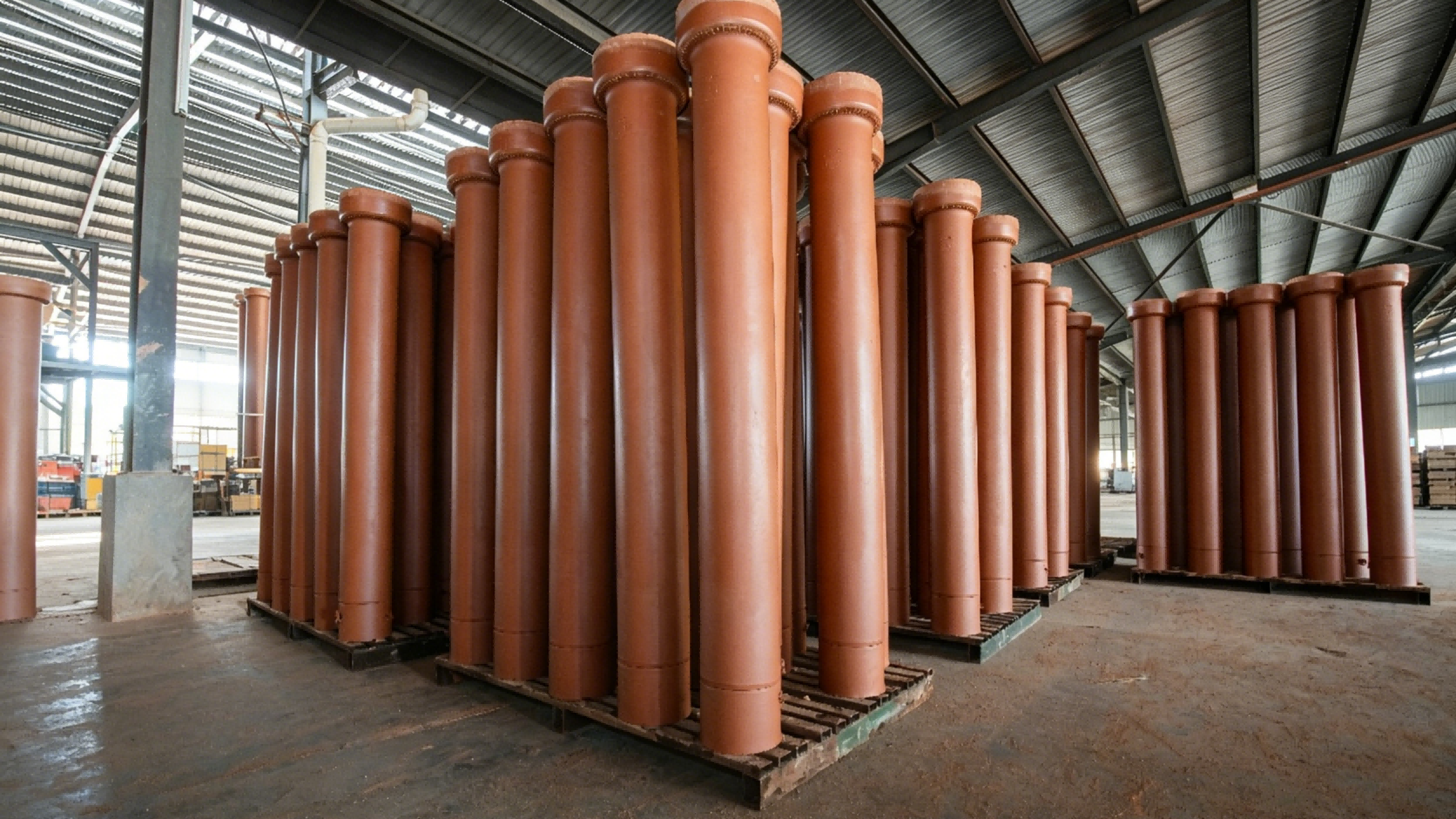
VCP pipe stands for Vitrified Clay Pipe. It is manufactured by shaping a mixture of natural clay and shale into the desired pipe form, then firing it in a kiln at extremely high temperatures, typically between 1,200 and 1,300 degrees Celsius. This intense heat vitrifies the clay, meaning it fuses the particles into a dense, glass-like ceramic matrix. The result is a pipe wall that is non-porous, chemically inert, and exceptionally hard.
The production process has been refined over decades, and modern VCP pipe is manufactured to strict international standards, including EN 295 in Europe and the equivalent MS standards recognised in Malaysia. Pipes are typically available in nominal diameters ranging from 100 mm to 1,000 mm and beyond, accommodating everything from small residential lateral connections to major trunk sewers serving entire townships. Joints are usually made using flexible polypropylene couplings or integrated socket-and-spigot designs with rubber ring seals, which allow for slight movement in the ground without compromising watertightness.
Key Advantages of VCP Pipe in Sewerage and Drainage Works
Understanding why VCP pipe remains in active use across Malaysia requires looking honestly at the specific demands of sewerage and drainage works. These are not benign environments. Pipes must contend with aggressive chemicals, biological gases, abrasive solids, groundwater infiltration, and the ever-present mechanical loads imposed by soil, traffic, and adjacent structures. VCP pipe addresses each of these challenges in ways that alternative materials sometimes cannot.
1. Superior Chemical Resistance
One of the most frequently cited advantages of VCP pipe is its resistance to a broad spectrum of chemicals. Sewage contains acids, alkalis, fats, detergents, solvents, and an array of organic compounds. Industrial effluent adds further complexity, with pH levels that can swing dramatically. Vitrified clay is chemically stable across this entire range. It does not react with acids or alkalis at the concentrations typically found in domestic and most industrial sewage. This stands in contrast to certain plastic pipes, which can swell, craze, or degrade over time when exposed to specific solvents, or to concrete pipes, which are vulnerable to sulphuric acid generated by microbial activity within the sewer environment.
In Malaysian industrial corridors, particularly in Penang's manufacturing zones and the Klang Valley's mixed-use developments, this chemical resilience is not a theoretical benefit; it is a practical necessity. Drainage systems that serve areas with food processing facilities, automotive workshops, or chemical storage must be able to handle whatever inadvertently enters the network.
2. Exceptional Longevity and Long-Term Cost Efficiency
The design life of a well-installed VCP pipe system is commonly stated at 100 years or more. In practice, vitrified clay drains and sewers installed in the early twentieth century are still in service across the United Kingdom and parts of Continental Europe, having outlasted several generations of surface infrastructure above them. This extraordinary durability translates directly into long-term cost savings, because a pipeline that does not need replacement does not generate the disruption, traffic management costs, and environmental disturbance associated with major renewal works.
For Malaysia, where the government's ongoing investment in sewerage infrastructure under Indah Water Konsortium and various state utility authorities involves significant public funds, specifying materials with proven longevity is a matter of fiscal responsibility. A slightly higher upfront cost for VCP pipe can be justified several times over when lifecycle cost models are applied honestly.
3. Smooth Internal Surface for Optimal Flow Hydraulics
The vitrification process produces an internal pipe surface that is exceptionally smooth, with a Manning's roughness coefficient that remains stable over time. This smooth bore reduces frictional resistance, promotes self-cleansing velocities, and minimises the risk of solids deposition and blockage. Equally important, the surface does not deteriorate. Unlike some thermoplastic pipes that can develop a biofilm layer or roughen through abrasion, the glass-like interior of VCP pipe retains its hydraulic properties across its entire service life.
For drainage engineers designing to minimum self-cleansing gradients in flat terrain, as is often the case in coastal areas of Selangor or Negeri Sembilan, the consistent hydraulic performance of VCP pipe simplifies design calculations and reduces the need for compensatory oversizing.
4. Environmental Credentials and Sustainability
Malaysia's construction industry has been under increasing pressure to demonstrate environmental responsibility, both from regulators and from clients pursuing green building certifications such as the Green Building Index. VCP pipe scores well on several sustainability metrics. It is manufactured from natural, abundant raw materials. It contains no plasticisers, heavy metals, or other potentially hazardous additives. At end of life, vitrified clay is chemically inert and can be crushed and used as aggregate, generating no toxic leachate in a landfill scenario.
Furthermore, because VCP pipe does not leach chemicals into surrounding soil or groundwater, it poses no contamination risk to adjacent water resources. In areas near water catchments or sensitive ecological zones, this inertness is a meaningful environmental safeguard.
One of the most frequently cited advantages of VCP pipe is its resistance to a broad spectrum of chemicals. Sewage contains acids, alkalis, fats, detergents, solvents, and an array of organic compounds. Industrial effluent adds further complexity, with pH levels that can swing dramatically. Vitrified clay is chemically stable across this entire range. It does not react with acids or alkalis at the concentrations typically found in domestic and most industrial sewage. This stands in contrast to certain plastic pipes, which can swell, craze, or degrade over time when exposed to specific solvents, or to concrete pipes, which are vulnerable to sulphuric acid generated by microbial activity within the sewer environment.
In Malaysian industrial corridors, particularly in Penang's manufacturing zones and the Klang Valley's mixed-use developments, this chemical resilience is not a theoretical benefit; it is a practical necessity. Drainage systems that serve areas with food processing facilities, automotive workshops, or chemical storage must be able to handle whatever inadvertently enters the network.
2. Exceptional Longevity and Long-Term Cost Efficiency
The design life of a well-installed VCP pipe system is commonly stated at 100 years or more. In practice, vitrified clay drains and sewers installed in the early twentieth century are still in service across the United Kingdom and parts of Continental Europe, having outlasted several generations of surface infrastructure above them. This extraordinary durability translates directly into long-term cost savings, because a pipeline that does not need replacement does not generate the disruption, traffic management costs, and environmental disturbance associated with major renewal works.
For Malaysia, where the government's ongoing investment in sewerage infrastructure under Indah Water Konsortium and various state utility authorities involves significant public funds, specifying materials with proven longevity is a matter of fiscal responsibility. A slightly higher upfront cost for VCP pipe can be justified several times over when lifecycle cost models are applied honestly.
3. Smooth Internal Surface for Optimal Flow Hydraulics
The vitrification process produces an internal pipe surface that is exceptionally smooth, with a Manning's roughness coefficient that remains stable over time. This smooth bore reduces frictional resistance, promotes self-cleansing velocities, and minimises the risk of solids deposition and blockage. Equally important, the surface does not deteriorate. Unlike some thermoplastic pipes that can develop a biofilm layer or roughen through abrasion, the glass-like interior of VCP pipe retains its hydraulic properties across its entire service life.
For drainage engineers designing to minimum self-cleansing gradients in flat terrain, as is often the case in coastal areas of Selangor or Negeri Sembilan, the consistent hydraulic performance of VCP pipe simplifies design calculations and reduces the need for compensatory oversizing.
4. Environmental Credentials and Sustainability
Malaysia's construction industry has been under increasing pressure to demonstrate environmental responsibility, both from regulators and from clients pursuing green building certifications such as the Green Building Index. VCP pipe scores well on several sustainability metrics. It is manufactured from natural, abundant raw materials. It contains no plasticisers, heavy metals, or other potentially hazardous additives. At end of life, vitrified clay is chemically inert and can be crushed and used as aggregate, generating no toxic leachate in a landfill scenario.
Furthermore, because VCP pipe does not leach chemicals into surrounding soil or groundwater, it poses no contamination risk to adjacent water resources. In areas near water catchments or sensitive ecological zones, this inertness is a meaningful environmental safeguard.
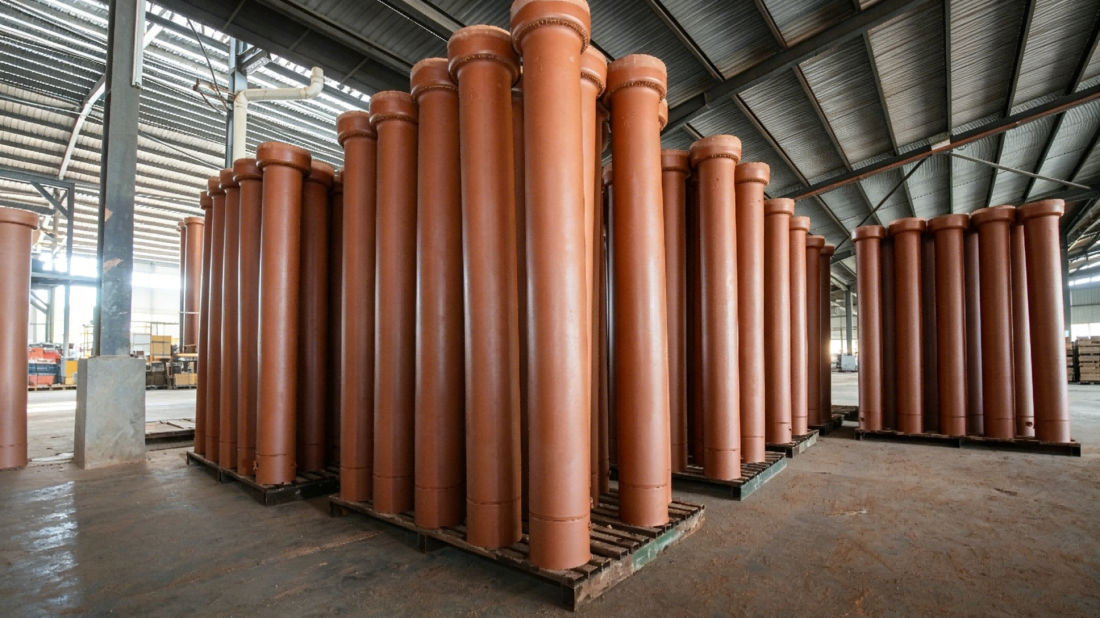
VCP Pipe in the Malaysian Sewerage and Drainage Context
Malaysia's tropical climate presents specific challenges for underground infrastructure. High annual rainfall, frequent flooding events, and elevated groundwater tables create conditions where pipe joints are continuously tested for watertightness. Infiltration of groundwater into sewerage networks is a chronic problem that increases the load on treatment plants and raises operating costs. Conversely, exfiltration of sewage into the surrounding ground contaminates soil and water sources. The flexible joint systems used in modern VCP pipe installations are designed to prevent both phenomena under normal ground movement conditions.
The Malaysian Standard MS 1228 and associated MSIG guidelines provide the framework within which sewerage infrastructure is designed and specified in this country. VCP pipe that complies with these standards has been tested for strength, absorption, straightness, and acid resistance, giving consultants and clients confidence in the material's fitness for purpose. Indah Water Konsortium, as the national sewerage company, has historically accepted VCP pipe for connections and reticulation works across its service areas, reflecting its established track record.
Beyond the technical standards, there are practical supply chain considerations. VCP pipe is manufactured locally by several producers serving the Malaysian market, which means lead times are predictable, and local technical support is available. For contractors working on tight programme schedules in Kuala Lumpur or the surrounding Klang Valley, reliable material availability is not a trivial concern.
Installation Considerations for VCP Pipe in Drainage Works
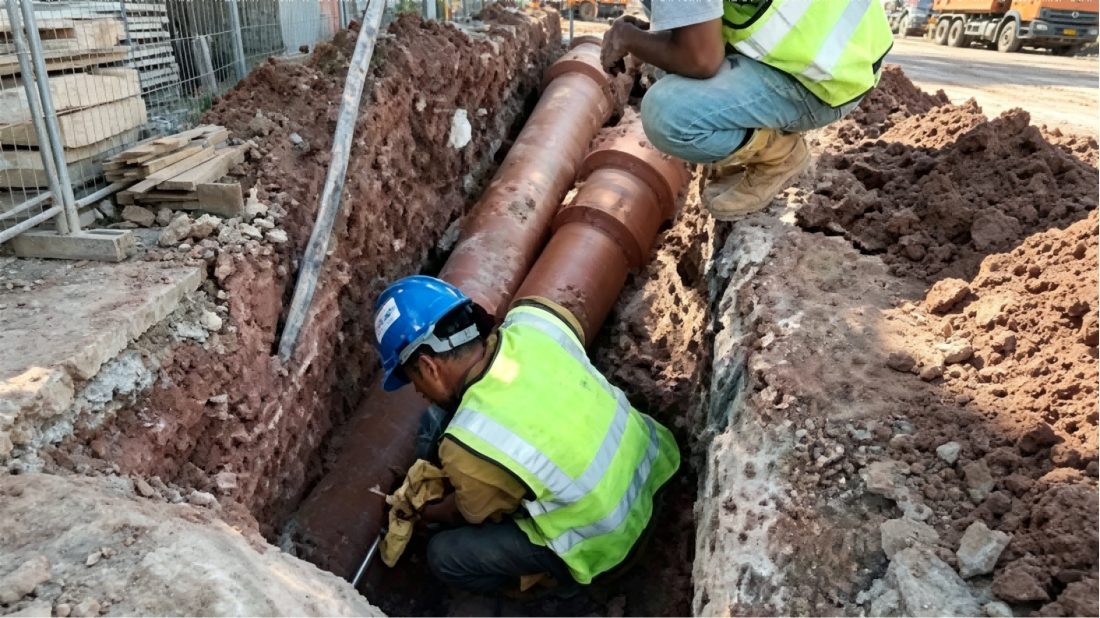
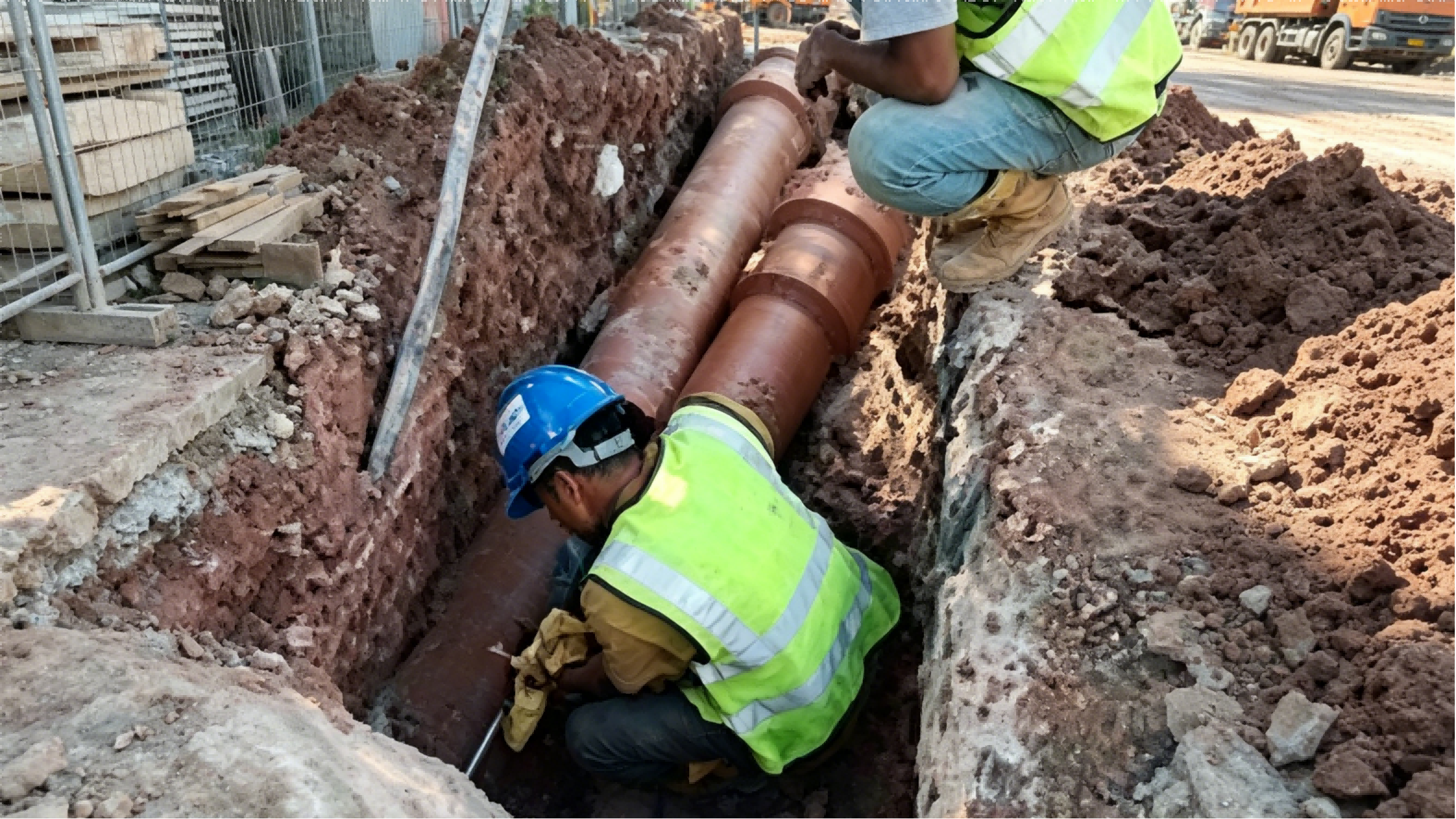
Like any pipe material, VCP pipe performs best when it is installed correctly. Vitrified clay is a rigid pipe material, meaning it relies on proper bedding and surround to distribute loads and prevent point stresses that could cause cracking. The bedding class specified in the design drawings must be followed precisely, using granular material of the correct grading compacted to the required density. Skimping on bedding is the most common cause of premature failure in rigid pipe systems, and VCP pipe is no exception to this rule.
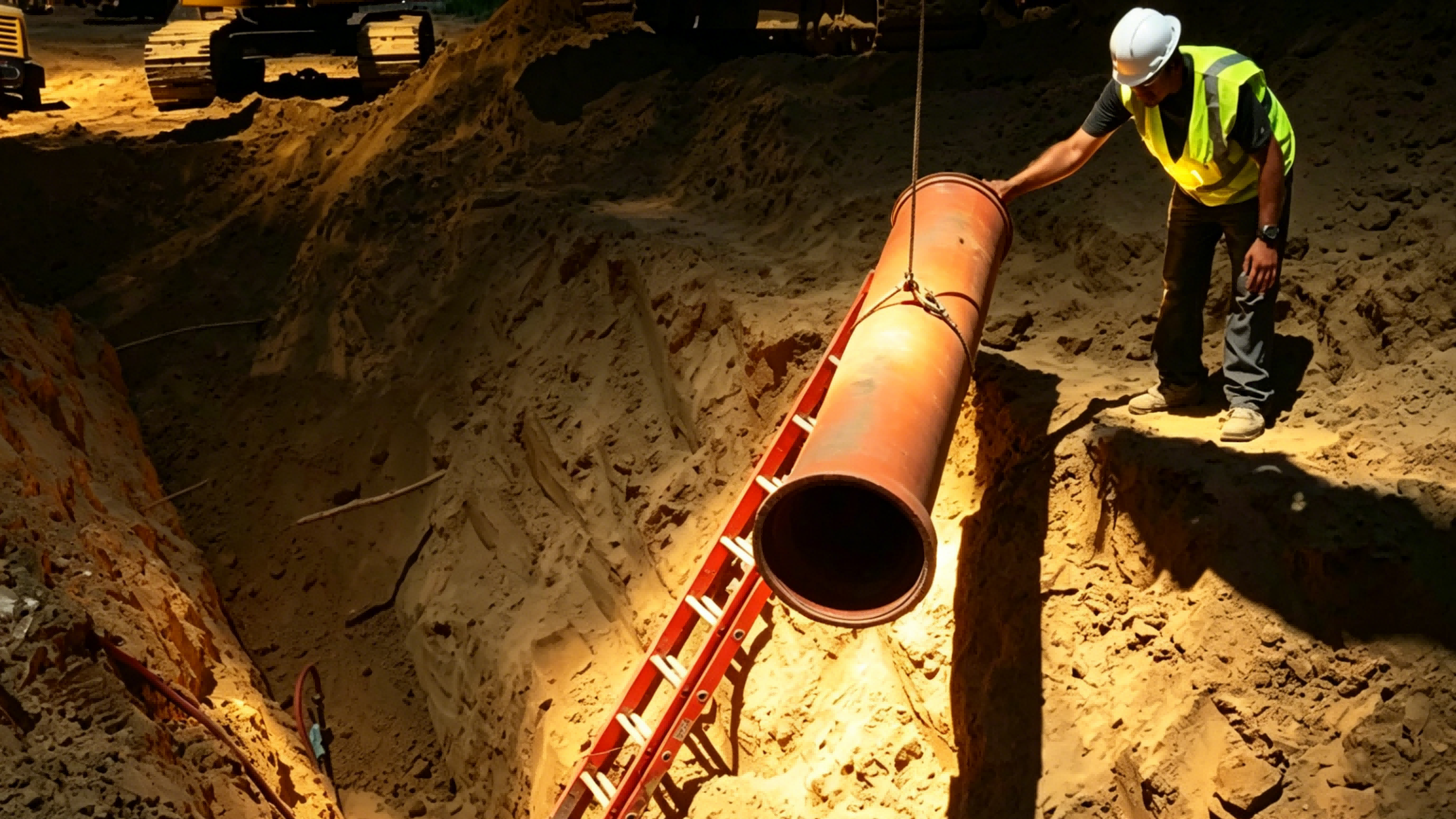
Handling on site also requires care. While VCP pipe is tough in its installed condition under distributed loads, it can chip or crack if dropped or struck by excavator buckets during installation. A chipped spigot end that does not seat properly in the joint coupling is a potential source of joint leakage over time. Good site supervision, combined with clear handling procedures communicated at the pre-construction stage, prevents most of these problems before they occur.
Cut lengths of VCP pipe present another consideration. The pipe is cut using an angle grinder with a diamond blade or a purpose-made pipe cutter. The cut end needs to be smooth and square to ensure it seats correctly in the coupling. Experienced pipe layers who have worked with the material before will typically handle these requirements as second nature, but projects relying on workers new to the material benefit from a brief tool-box talk and demonstration before work begins.
Comparing VCP Pipe to Alternative Sewerage and Drainage Materials
No honest discussion of VCP pipe advantages is complete without acknowledging where alternative materials may be preferable. uPVC pipe, for instance, is lighter and easier to handle on constrained sites or in locations with difficult access. It is also generally less expensive to procure, which matters on budget-sensitive projects. However, uPVC is more susceptible to deformation under sustained high loads, and its long-term performance in aggressive chemical environments can be less predictable depending on the formulation.
HDPE pipe offers flexibility that VCP pipe cannot match, making it an obvious choice in areas with significant ground movement, such as sites near active slope stabilisation works or on soft ground subject to differential settlement. Its resistance to root intrusion is also frequently cited. However, HDPE's thermal expansion characteristics and the need for specialised jointing equipment add complexity to some installation scenarios.
Reinforced concrete pipe remains competitive for large-diameter applications where structural load capacity is the primary driver. It is widely used in main drainage channels across Malaysia. However, its susceptibility to sulphate attack and the biogenic sulphuric acid corrosion mechanism that affects concrete sewers in warm climates like Malaysia's means that VCP pipe often has an advantage in the sewer environment specifically, even at larger diameters where both materials are technically feasible.
Conclusion: VCP Pipe as a Reliable Foundation for Sewerage and Drainage Works
The case for VCP pipe in sewerage and drainage works is not built on nostalgia or habit. It rests on a combination of properties that genuinely matter in the demanding underground environment: chemical resistance, long service life, hydraulic stability, environmental inertness, and a strong track record in real-world applications. For Malaysian projects where underground infrastructure must perform reliably through decades of urban growth, seasonal flooding, and industrial development, these qualities represent tangible value.
As the country continues to invest in upgrading its sewerage networks and expanding drainage capacity in growing cities like Johor Bahru, Penang, and the greater Kuala Lumpur conurbation, specifiers and contractors who understand the advantages of VCP pipe are better positioned to make decisions that serve both their projects and the public interest in the long term. The best infrastructure is the kind that, once installed properly, quietly does its job for a very long time. By that measure, VCP pipe has earned its place in the toolkit of Malaysian civil and sanitary engineers.